Repairing lawn damage requires neutralizing soil acidity with lime and flushing the affected area with water to dilute high nitrogen and salt levels. For effective dog poop killing grass repair Frisco Texas, homeowners should remove waste promptly, apply topdressing soil, and re-seed to restore the lawn’s health and appearance.
Few things are as frustrating for a Frisco homeowner as seeing a perfectly manicured lawn marred by unsightly yellow and brown patches. While you love your furry companions, their waste acts as a concentrated chemical burn on North Texas turf, creating stubborn spots that refuse to heal on their own. This damage is particularly aggressive during our hot summers, where the combination of high nitrogen levels and intense sun can permanently compromise your Bermuda or St. Augustine grass. In this guide, we will break down the exact science behind dog poop killing grass and provide a practical roadmap for repair. You will learn the best recovery methods for our local soil, the truth about common home remedies like lime, and how professional sanitizing services can restore the health of your yard. Let us help you reclaim your lush, green outdoor space.
Why Dog Poop Damages Frisco Lawns: The Science of Nitrogen Burn
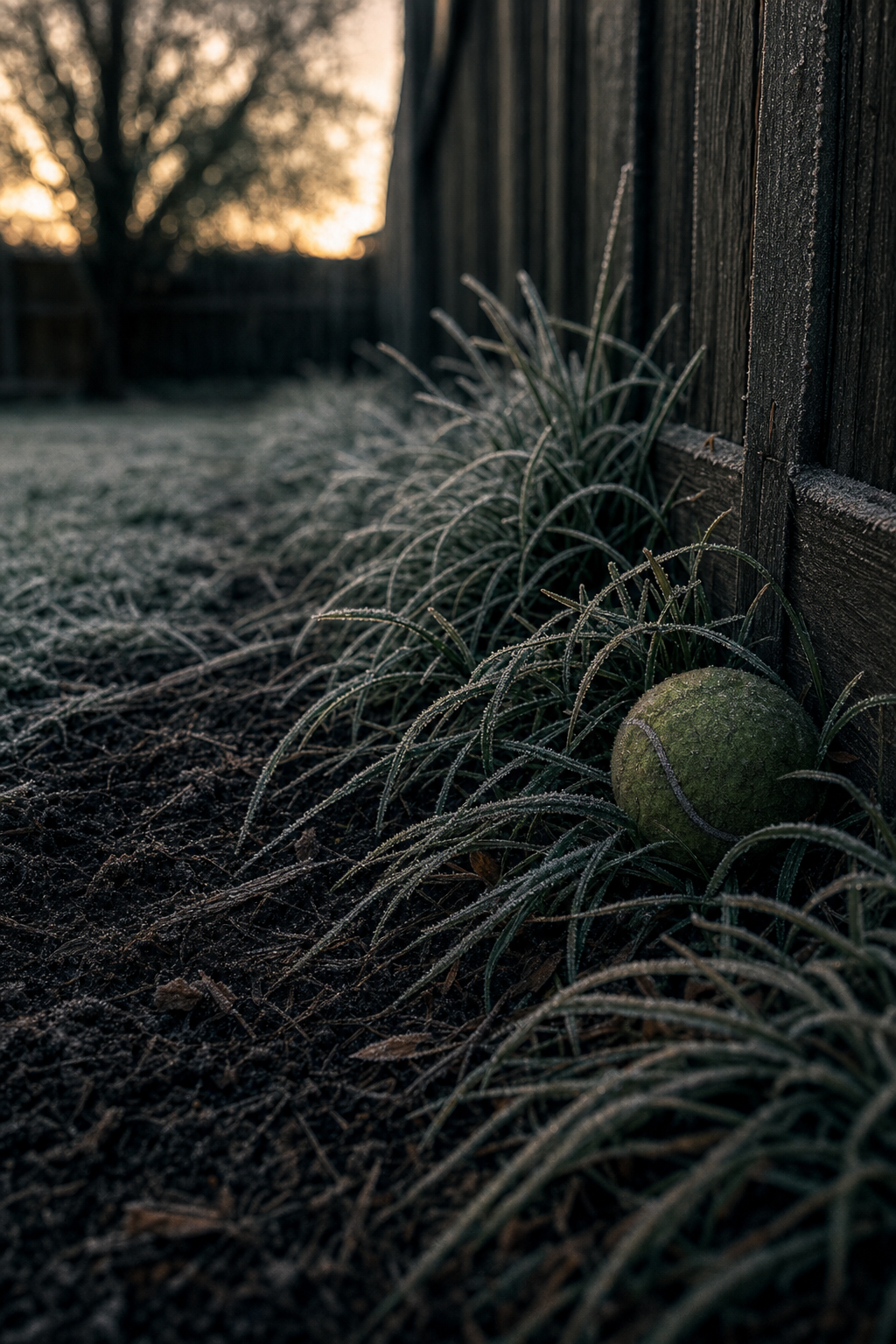
Many Frisco homeowners mistake dog waste for a natural fertilizer, but the reality is quite the opposite for North Texas turf. The primary culprit behind those unsightly yellow and brown patches is a biological process called nitrogen burn. While nitrogen is a vital nutrient in commercial fertilizers, dog waste contains it in extreme, highly concentrated doses. When a pile sits on your lawn, it releases a surge of nitrogen and salts that overwhelms the grass blades and roots, essentially chemical burning the plant.
This issue is particularly aggressive in our region due to the heavy clay soil common across Frisco and the surrounding areas. Unlike sandy soils that allow water to flush contaminants away quickly, our dense clay traps nitrates and salts near the surface. These concentrated elements linger in the root zone, pulling moisture out of the grass through a process of dehydration. Over time, this leads to the dead spots that necessitate dog poop killing grass repair Frisco Texas homeowners often find themselves researching every spring.
Furthermore, the fertilizer myth ignores the high salt content found in pet waste. These salts, combined with the slow drainage of North Texas clay, create a toxic environment for sensitive Bermuda and St. Augustine grasses. Instead of nourishing the soil, the waste stunts growth and invites pathogens. To prevent these long-term soil chemistry shifts, consistent residential pet waste removal is the only way to ensure these harmful concentrations never have the chance to settle
into your lawn's foundation. If you have common pet waste questions about how specific diets impact this process, understanding the science of the burn is the first step toward recovery.
Step by Step Guide to Repairing Dog Waste Burn Spots in Frisco
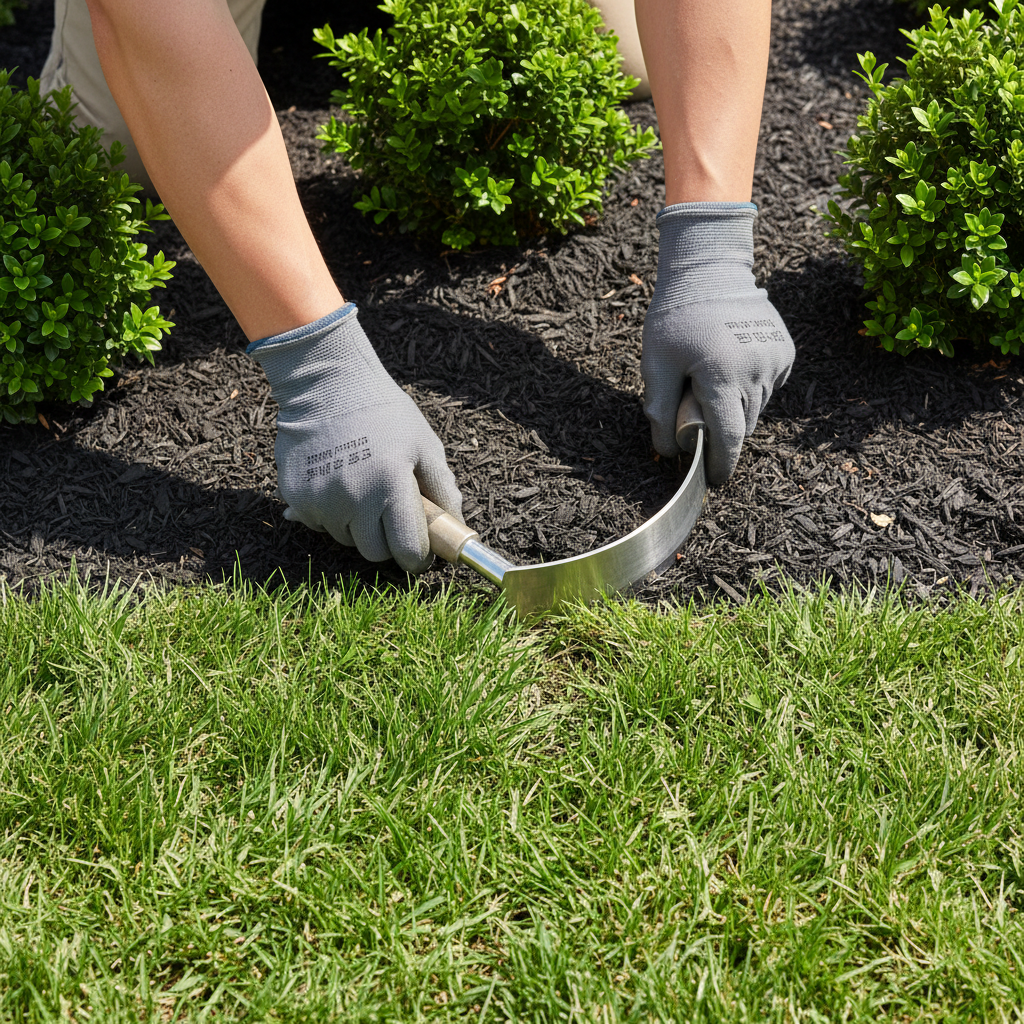
Since Frisco's heavy clay soil acts like a storage tank for nitrates, active intervention is required to reset the soil chemistry and prevent permanent turf loss. The most effective dog poop killing grass repair Frisco Texas homeowners can implement follows a specific sequence of remediation designed to neutralize the soil while protecting the fragile root systems of North Texas lawns.
Immediate Waste Removal: The repair process cannot begin until the source of the nitrogen is gone. Leaving waste on the lawn allows the North Texas sun to bake the chemicals into the blades. If piles are left during a scheduled sprinkler cycle, they liquefy and spread the salts over a larger area. Consistent residential pet waste removal ensures that waste is cleared before it has the chance to settle into the soil profile.
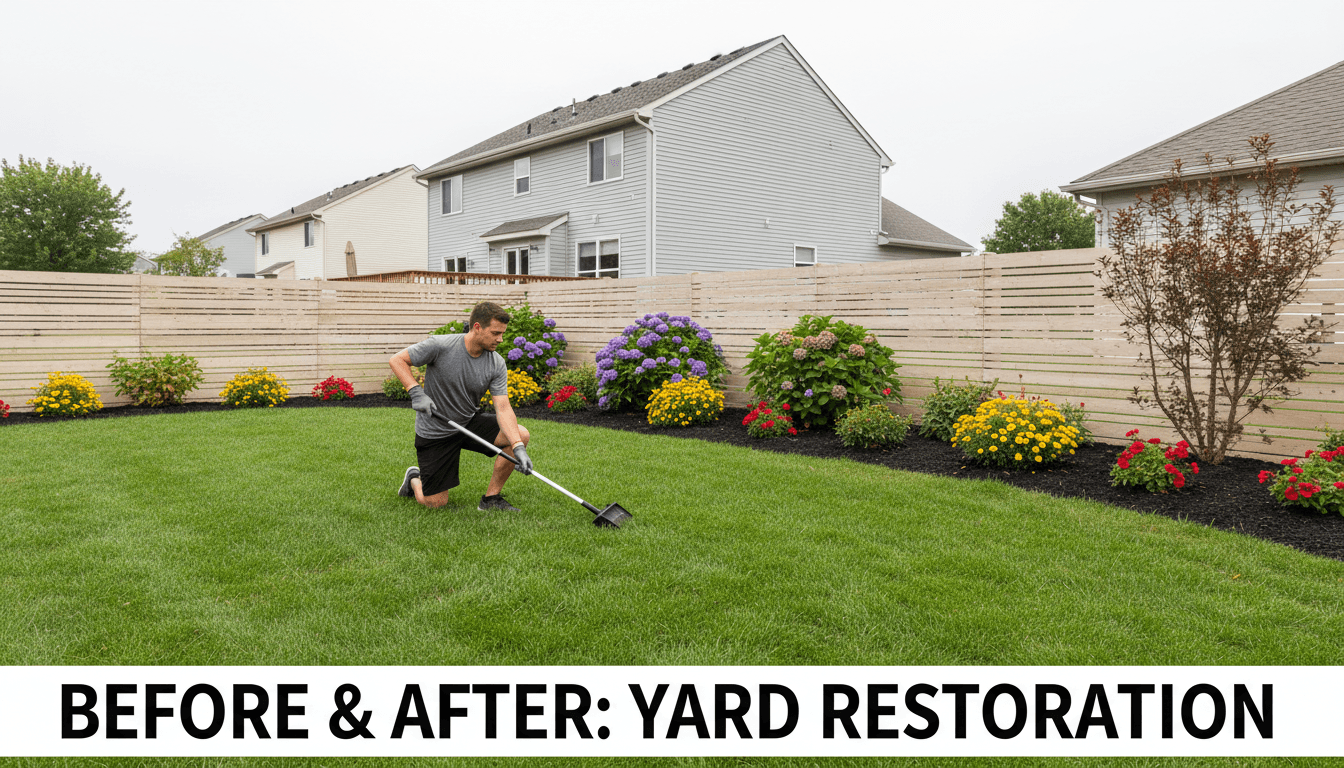
Deep Soil Flushing: Once the area is clear, use a garden hose to soak the affected spot for at least three to five minutes. In our dense clay, you need a significant volume of water to physically push the concentrated nitrates deeper into the earth, away from the grass roots. This dilution is the most critical step in stopping the chemical burn.
Soil Amendment: After flushing, consider applying a thin layer of fine hardwood sawdust to the spot. This acts as a carbon buffer that helps microorganisms consume the excess nitrogen. While many people reach for pelletized lime to balance acidity, North Texas soils are often already alkaline. Use lime sparingly and only if the soil feels particularly spongy or if you have confirmed high acidity through a local extension office test.
Thatch Raking: Use a stiff garden rake to clear away the dead, yellowed grass fibers. Removing this thatch allows oxygen to reach the soil surface and ensures that new seeds or creeping stolons have direct contact with the ground.
Reseeding or Plugging: In the intense Frisco heat, timing is everything. If you are repairing a spot in mid-July, the heat may kill new grass before it establishes. Wait for a break in the temperature or focus on early morning watering. Bermuda grass will often self-heal if the soil is properly flushed, but St. Augustine may require manual plugging to bridge the gap.
Following these steps helps stabilize the lawn, but addressing the underlying bacteria requires professional deodorizing and sanitizing to ensure the soil remains a healthy environment for long term growth.
The Lime vs Nitrogen Debate: What Actually Works for Texas Turf
Confusion often arises when searching for a dog poop killing grass repair Frisco Texas solution, specifically regarding soil pH. A long standing myth suggests that dog waste kills grass because it is too acidic, leading many homeowners to reach for bags of pelletized lime. However, data from PetMD and university extension offices confirms that the primary culprits are nitrogen and soluble salts, not acidity.
While pet waste is slightly acidic, the biological burn is a result of nitrogen toxicity. Applying lime without a clear reason can be counterproductive in North Texas. Much of the soil in Frisco is already naturally alkaline, characterized by a high pH level. Adding lime to an already alkaline environment can lead to nutrient lockout, where your grass is unable to absorb essential minerals like iron and phosphorus. This can turn a simple repair job into a long term soil health issue.
Before applying heavy amounts of lime, a professional soil test is the most practical step. This ensures you are not making the ground even more inhospitable for your Bermuda or St. Augustine. If you have common pet waste questions about your specific lawn health, remember that physical removal is more effective than chemical neutralizing. Utilizing residential pet waste removal prevents the accumulation of these salts in the first place, ensuring that your soil chemistry remains balanced for healthy growth.
Bermuda vs St. Augustine: Grass Specific Repair Tips for North Texas
Understanding the grass species in your yard is the most practical way to predict recovery time. Most newer Frisco developments, particularly those in the northern corridor near US,380, utilize Bermuda grass. This variety is incredibly resilient due to its aggressive growth habit. Once you have cleared the waste and flushed the soil to remove excess nitrates, Bermuda can often self,heal. It sends out stolons, or runners, that creep across the bare patches to fill in the void. For these lawns, consistent residential pet waste removal is often enough to allow the turf to outpace the damage.
St. Augustine grass, common in established Frisco neighborhoods with more mature tree canopies, requires a different approach. While it also spreads via runners, it does so more slowly than Bermuda. If a nitrogen burn has completely killed the root system in a large diameter, the area may remain bare for an entire season. In these cases, manual plugging is necessary. You will need to cut out the dead square of turf and replace it with a healthy plug of sod from a local nursery to jumpstart the recovery. Because the recovery mechanism differs by species, the strategy for dog poop killing grass repair Frisco Texas yards require depends largely on how the grass spreads.
The intense Frisco summer sun acts as a catalyst for these damage spots. When temperatures exceed 95 degrees, the heat accelerates the chemical reaction between the nitrogen and the grass blades, effectively baking the salts into the soil. For homeowners with common pet waste questions regarding why spots appear faster in July, this heat is the primary answer. To combat this, combining frequent cleanup with professional deodorizing and sanitizing helps cool the soil chemistry and prevents the sun from turning a small yellow patch into a permanent dead zone.
Natural Solutions and Home Remedies: What to Use and What to Avoid
Homeowners searching for dog poop killing grass repair Frisco Texas solutions often encounter suggestions for baking soda or vinegar, but these can actually worsen the problem. Baking soda is a salt. Since Frisco’s clay soil already struggles with salt concentration from dog waste, adding more sodium bicarbonate can further dehydrate grass roots and increase soil alkalinity. Similarly, vinegar is a potent acetic acid often used as a natural weed killer. Applying it to a burn spot will likely kill the surrounding healthy grass blades rather than neutralizing the nitrogen.
Instead of kitchen pantry items, focus on natural enzyme cleaners specifically formulated for turf. These bio-enzymatic products work by breaking down the urea and organic proteins in the waste that cause the burn. Unlike harsh chemicals, these enzymes facilitate the natural decomposition process without altering the soil pH or introducing toxins that could harm your pets. This approach clears the biological residue that remains even after the solid waste is removed.
Avoid “quick fix” chemical nitrogen neutralizers that contain synthetic compounds. These can be toxic to dogs who continue to sniff or lick the grass. For those with common pet waste questions regarding safety, the most effective natural remedy remains a combination of thorough residential pet waste removal and deep water dilution. This allows the natural soil microbes to recover their balance. If the area still has a lingering odor or looks stunted, professional deodorizing and sanitizing can provide a deeper clean that home remedies simply cannot achieve.
How Professional Sanitizing and Deodorizing Speeds Up Lawn Recovery
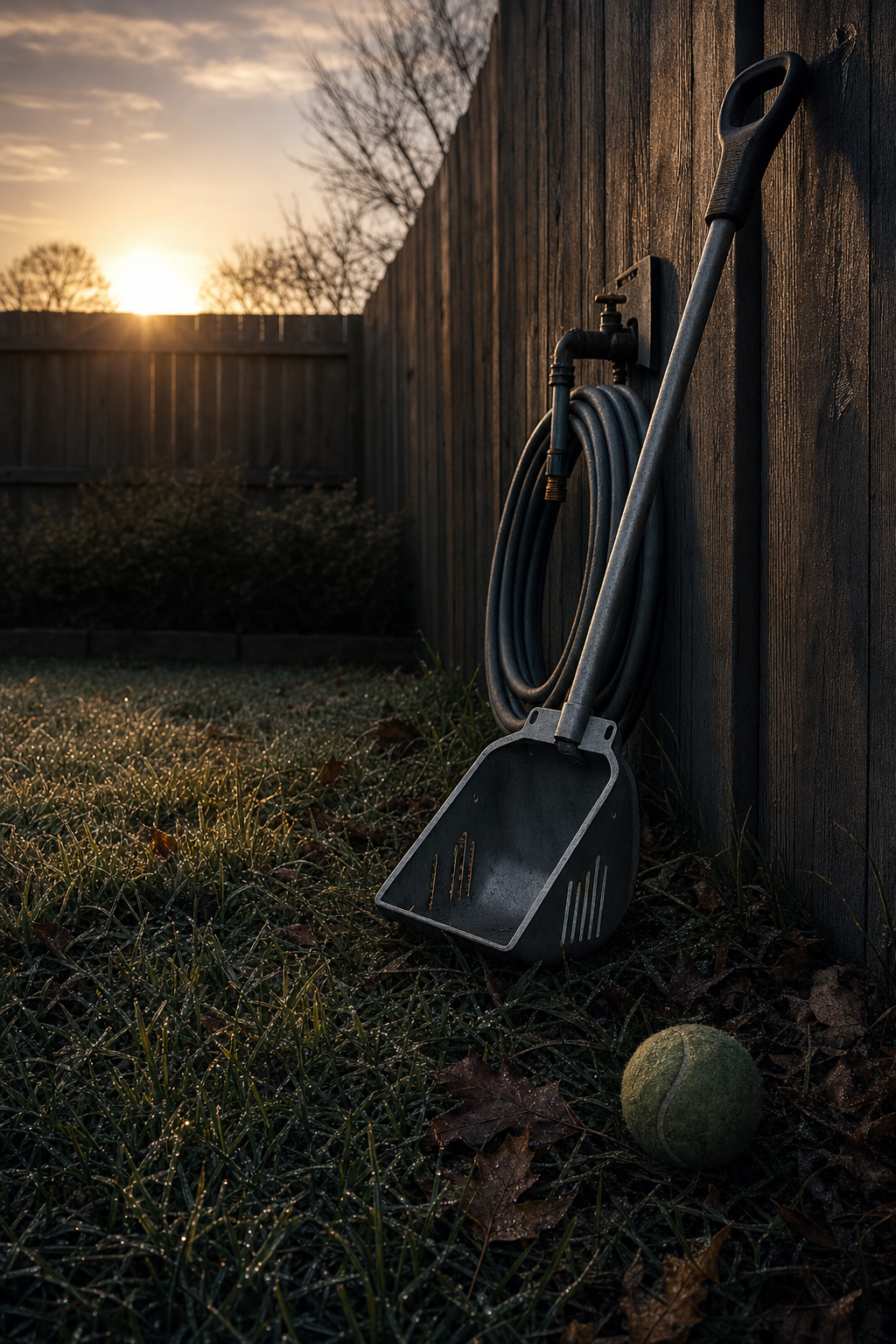
Picking up the physical waste is only the initial phase of dog poop killing grass repair Frisco Texas residents must implement. Even after a pile is cleared, invisible residues such as uric acid, nitrogen salts, and pathogens like E. coli or Salmonella remain bonded to the soil and grass blades. These lingering contaminants continue to suppress the beneficial soil microbes required for root respiration and nutrient uptake.
Professional deodorizing and sanitizing addresses this hidden layer by using specific agents that break down the molecular bonds of residual nitrogen salts. By neutralizing the soil surface, the treatment halts the ongoing chemical dehydration of the grass roots. This creates a stable environment where Bermuda or St. Augustine stolons can finally expand into previously burned areas without being inhibited by concentrated salinity. Furthermore, sanitizing eliminates the biological scent markers that often drive pets to repeatedly use the same spot. When paired with scheduled residential pet waste removal, these treatments ensure the lawn remains a safe, sanitary space for the family while accelerating the natural regeneration of the turf.
Preventing Future Damage: Strategies for Frisco Pet Owners
Long-term lawn health in North Texas requires a shift from reactive repair to proactive prevention. One of the most effective ways to avoid the need for dog poop killing grass repair Frisco Texas residents face is by installing a designated potty area. Utilizing materials like pea gravel or cedar mulch provides a high-drainage zone that naturally filters liquid waste away from sensitive turf roots. These materials are easier to sanitize and do not suffer from the nitrogen burn that plagues Bermuda or St. Augustine grass.
Dietary management also plays a role in soil protection. High-quality, highly digestible proteins often result in waste with lower nitrogen concentrations and balanced alkalinity, which reduces the chemical intensity of each deposit. However, even the best diet cannot replace the necessity of frequent removal. The most reliable strategy for protecting your lawn is maintaining a consistent schedule for residential pet waste removal. By clearing the yard weekly or bi-weekly, you prevent nitrogen and salts from leaching into the heavy clay soil profile. This consistency stops the biological burn before it starts, ensuring your turf stays lush throughout the challenging Texas summer.
Maintaining a lush and vibrant Frisco lawn requires a consistent balance between proper soil care and prompt waste removal. While these DIY strategies can effectively revive your grass, staying on top of the cleanup is often the biggest challenge for busy homeowners. If you want expert help keeping your yard pristine and pet safe, our team is ready to step in. You can learn more about our mission to provide reliable local service. We take the mess off your plate so you can enjoy your beautiful green space.